The ultimate hardware architecture driving the next generation of Edge AI, robotics, and mission-critical embedded design.
Explore SoM SolutionsThe landscape of embedded systems is undergoing a radical transformation. Today’s smart devices are expected to process complex data at the edge, run sophisticated AI models, and maintain robust security protocols—all while operating under stringent power constraints.
For engineering teams, this creates a significant paradox: system complexity is skyrocketing, yet time-to-market windows are rapidly shrinking.
Designing a custom computing platform from the ground up means routing high-density PCBs and navigating precarious supply chains. The ultimate solution to this engineering bottleneck lies in hardware modularity.
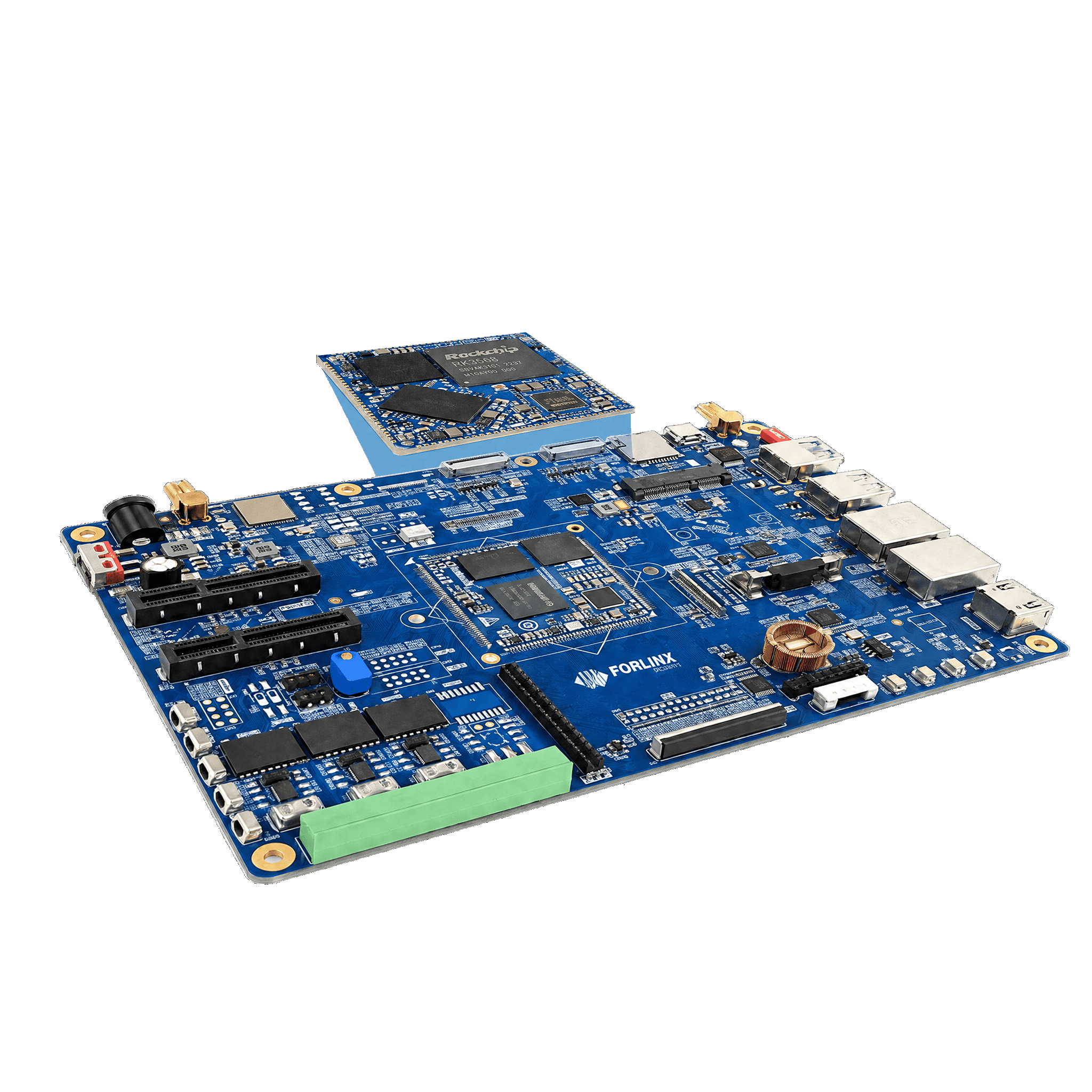
At its core, a System-on-Module (SoM) is a compact, fully integrated computing subsystem packaged onto a single printed circuit board. It encapsulates all the critical, high-speed elements required to run an OS, pre-engineered and rigorously tested.
The computational powerhouse. Integrating powerful MPUs and dedicated Neural Processing Units (NPUs) to handle intensive Edge AI workloads and real-time inference.
Includes high-speed volatile RAM (LPDDR4/5) and robust non-volatile flash storage (eMMC or NAND) for securely hosting firmware and user data.
A specialized circuit that efficiently distributes and sequences power, ensuring absolute stability across varying workloads and harsh thermal conditions.
Integration of Ethernet hardware and optional pre-certified Wi-Fi/Bluetooth modules. We handle the complex RF design and signal tuning, significantly reducing your device’s certification risks and regulatory hurdles.
Silicon-level security features including Secure Boot, Trusted Execution Environments (TEE), and dedicated crypto-engines. Ensures a robust Root of Trust for protecting intellectual property and sensitive edge data.
High-density, gold-plated connectors bridge the SoM to the carrier board. They ensure high-speed signal integrity (PCIe, USB 3.0) and flawless "Brain-to-Body" communication, even in high-vibration industrial environments.
The operational brilliance of a System-on-Module lies in its architectural decoupling. A SoM does not function entirely on its own; it requires a partner.
While the SoM acts as the universal "Brain", the custom-designed Carrier Board acts as the "Body". The carrier board houses the application-specific connectors (USB ports, HDMI displays, industrial sensor inputs) and provides the physical footprint required by the end product.
Depending on environmental demands, SoMs utilize various form factors, including standard Edge Connectors (SODIMM), Board-to-Board Mezzanine Connectors, or Solder-Down (LGA) modules for high-vibration industrial settings.
Understanding the distinction between SoC, SoM, and SBC architectures is crucial for making the right structural decision for your project.
The raw silicon die itself. Designing around it requires routing complex HDI PCBs, managing strict thermals, and high NRE costs. Viable mainly for massive-volume consumer electronics.
HIGH COMPLEXITYThe optimal enterprise solution. You get the immense computing power of the SoC without the excruciating PCB design effort, combined with complete freedom for carrier board design.
BALANCED & SCALABLEA complete, off-the-shelf computer (like industrial Raspberry Pis). Fantastic for prototyping, but offers very little hardware flexibility. Port placement and sizes are fixed.
RIGID FORM FACTORFor engineering teams and project managers, the shift toward System-on-Modules is driven by measurable business and technical advantages.
Skip the most error-prone tasks. Hardware and software teams work in parallel, shaving 6 to 9 months off the product development cycle.
Leverage a core that is pre-validated for signal integrity and electromagnetic compatibility (EMC), virtually eliminating catastrophic hardware failures.
Upgrade computing power with a simple modular swap. Plug a next-generation SoM into the existing carrier board without system redesign.
Selecting a partner requires looking beyond the raw spec sheet and evaluating the entire ecosystem surrounding the module.
Do not over-specify or under-equip. Basic IoT data routing requires efficient CPUs, whereas machine vision demands heterogeneous architectures integrating dedicated Neural Processing Units (NPUs).
Hardware is only half the equation. We provide OS support, automated documentation, and optimized AI toolchains for seamless local Python execution and rapid model deployment.
With sweeping mandates like the EU Cyber Resilience Act (CRA), your SoM must feature hardware-level security, secure boot, and cryptographic acceleration to achieve IEC 62443 certification.
Assess manufacturing resilience. Seek providers with an annual capacity of one million units and deep vendor relationships—such as NXP Semiconductors Gold Partners—ensuring 15-year longevity.
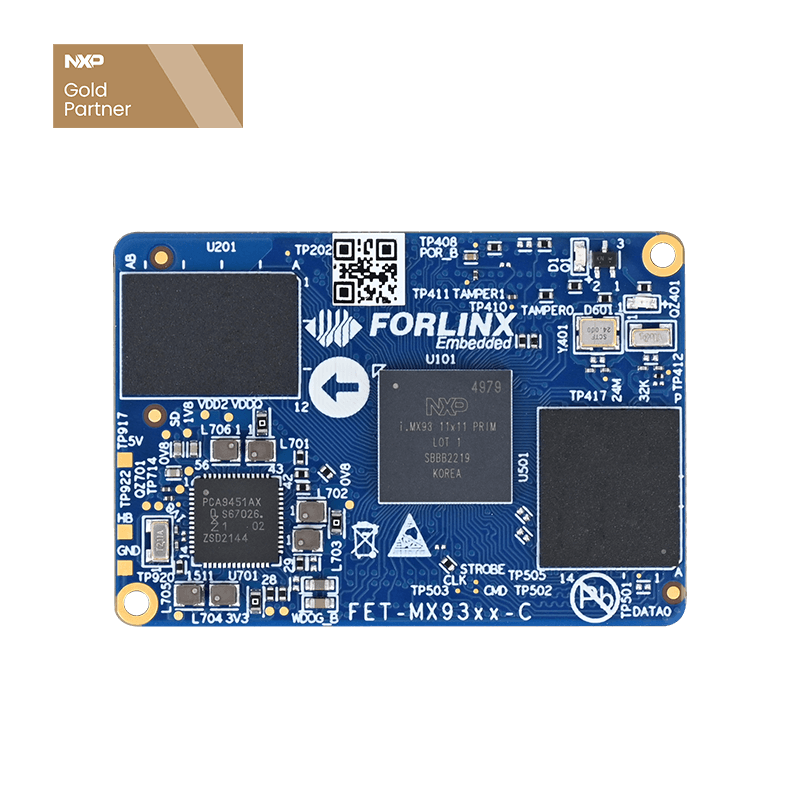
Industrial-grade reliability with advanced graphics and machine vision capabilities. Long-term availability for mission-critical applications.
Explore Platform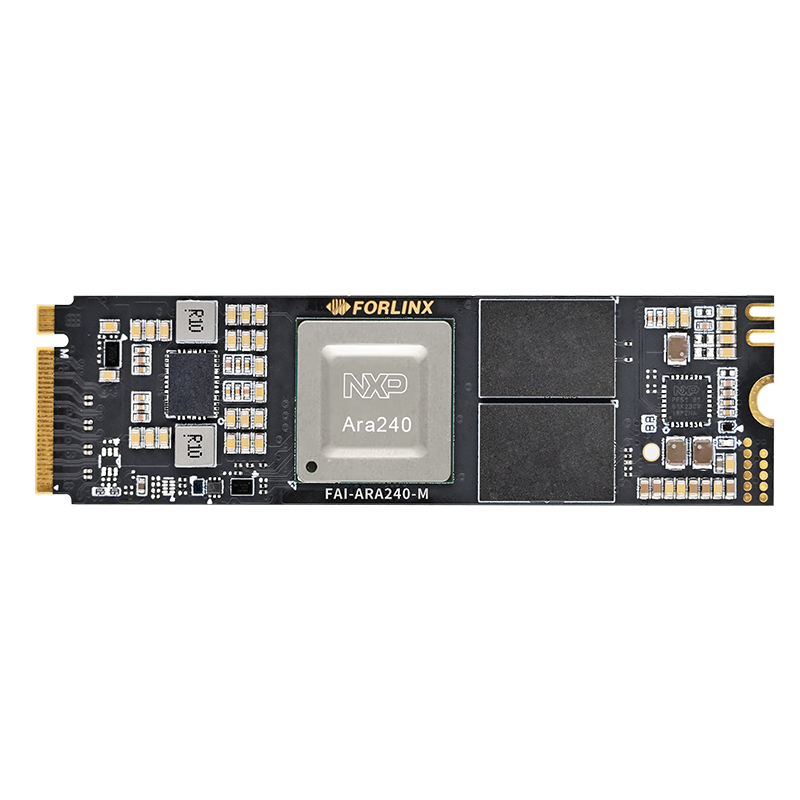
High-performance hardware featuring dedicated NPUs. Delivering up to 40 eTOPS for ultra-low latency real-time inference.
View AI Solutions
High-throughput multimedia processing with native RKNN support. Optimized for 8K video and complex edge computing workloads.
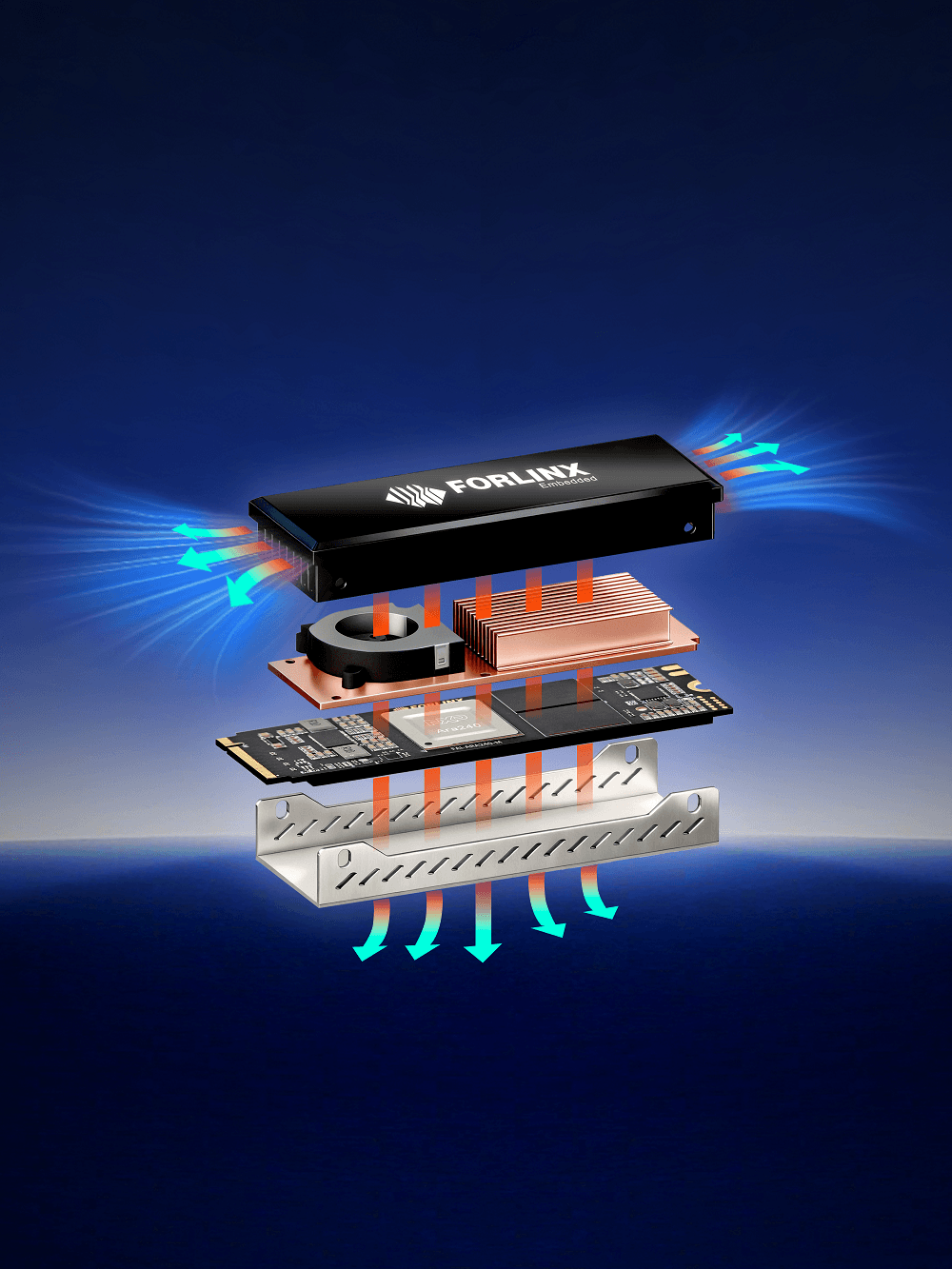
Explore PlatformBandwidth costs and data privacy laws are driving computational power directly to the edge. Architectures like the newly launched FAI-ARA240-M Edge AI Accelerator represent this trajectory, combining dedicated neural processing with optimized support for mainstream AI frameworks to execute complex models offline with high efficiency.
Security is shifting completely to the left—embedded directly into the silicon from day one. Future SoM iterations will standardize hardware roots of trust and act as the ultimate hardware fortress against cyber threats.
A SoM takes a complex SoC and pre-integrates it with memory, power management, and essential circuitry onto a ready-to-use board. This provides the immense computing power of the SoC without the grueling hardware design phase, drastically reducing NRE costs and time-to-market.
Built with Security-by-Design, our modern SoMs integrate hardware-level secure boot and cryptographic accelerators. This provides the secure foundation necessary to achieve rigorous certifications like IEC 62443 and comply with the EU Cyber Resilience Act (CRA).
We support global enterprise scale with a robust manufacturing infrastructure demonstrating an annual production capacity of one million units. As an NXP Semiconductors Gold Partner, we guarantee early silicon access, priority support, and product longevity.
Whether you are designing a life-saving medical device or an intelligent industrial robot, choosing the right SoM architecture backed by a resilient supply chain is the most effective way to accelerate your market deployment.