
What is the Difference Between SoM and SoC?
What is a System-on-Module (SoM)?
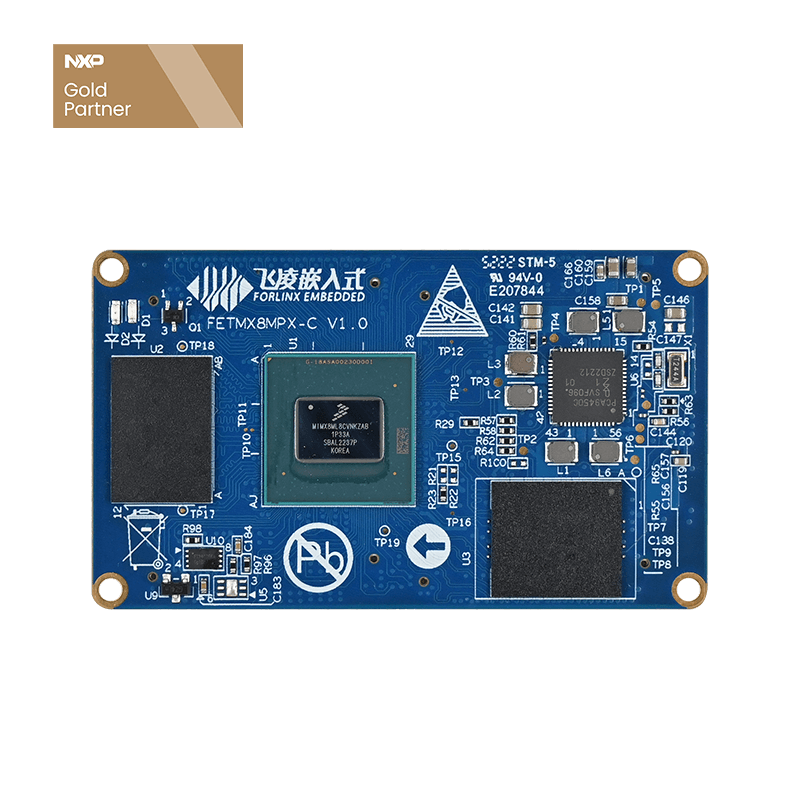
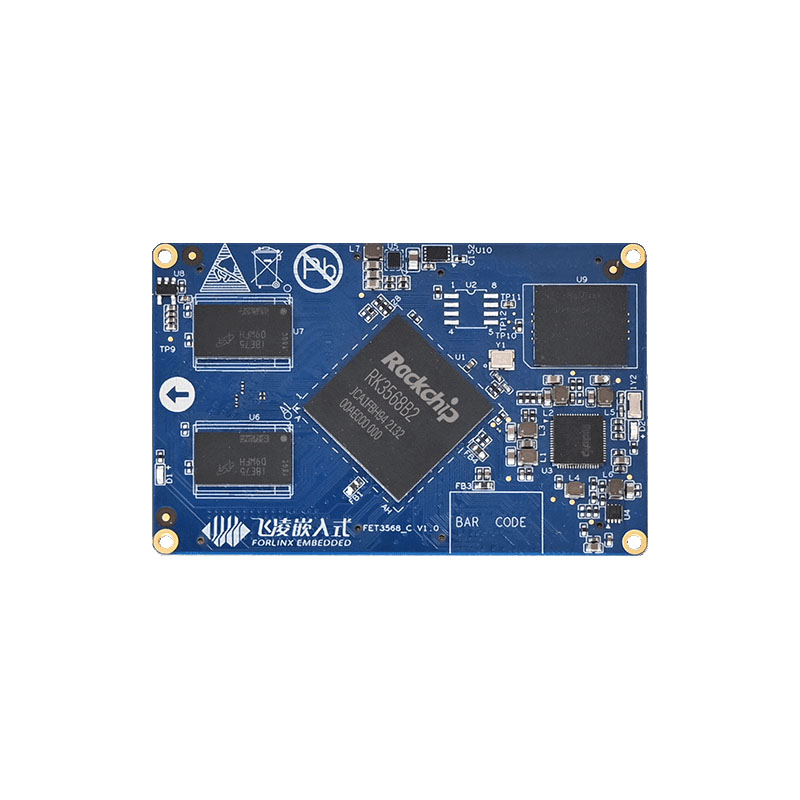
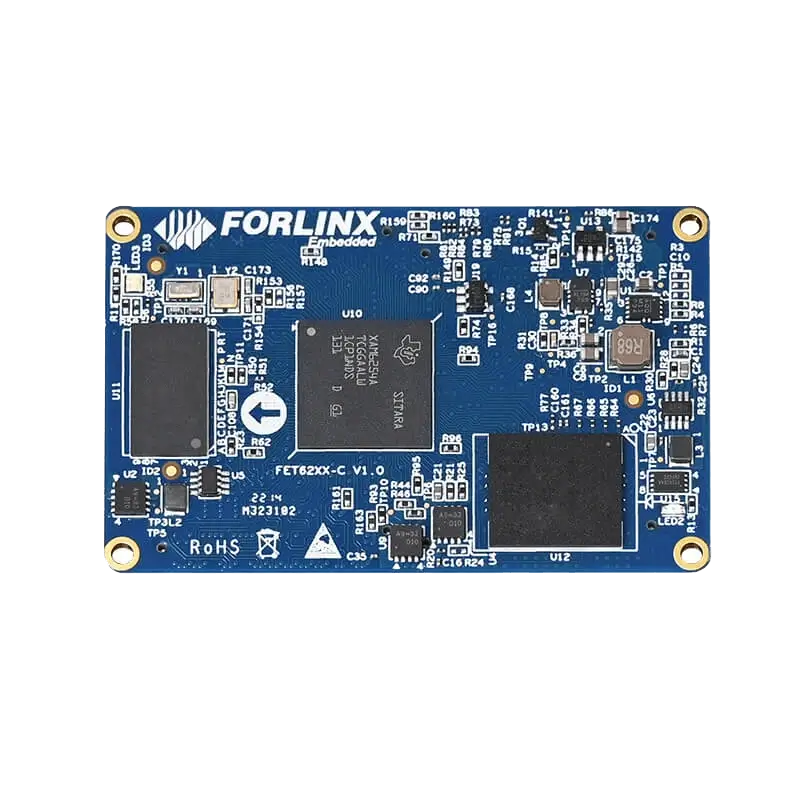
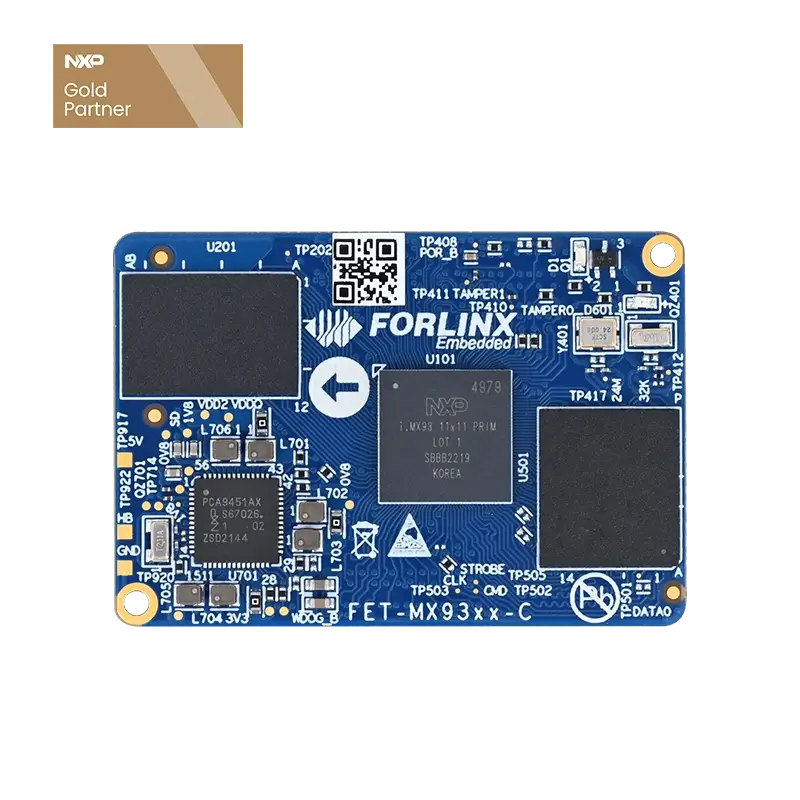
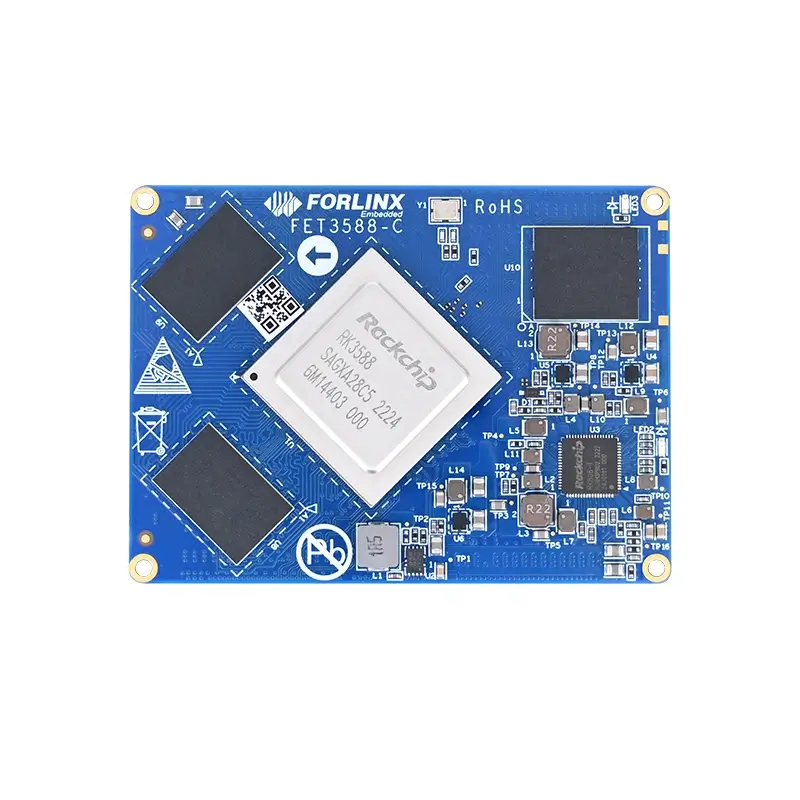
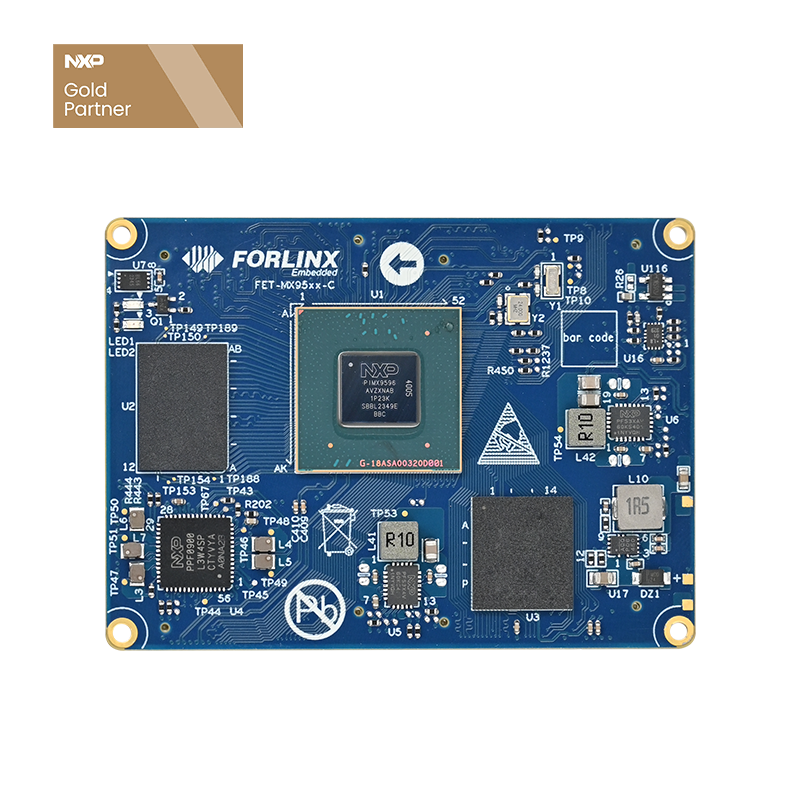
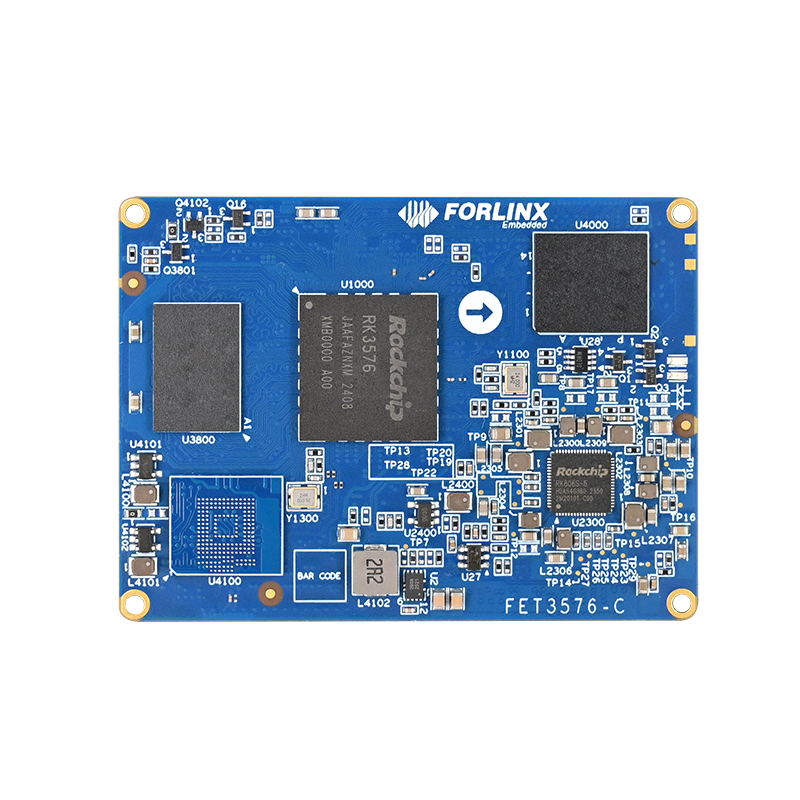
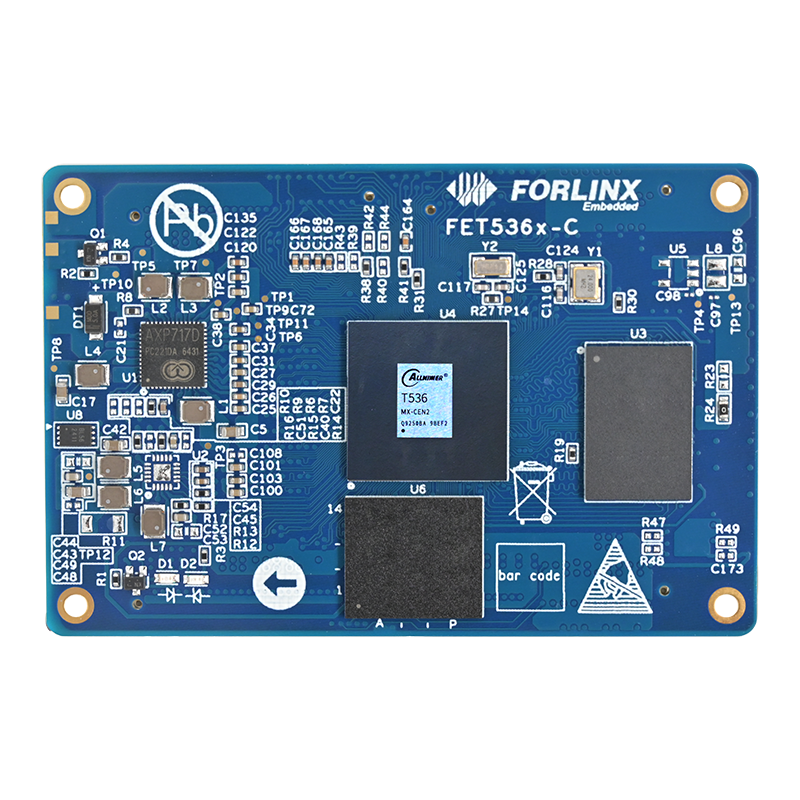
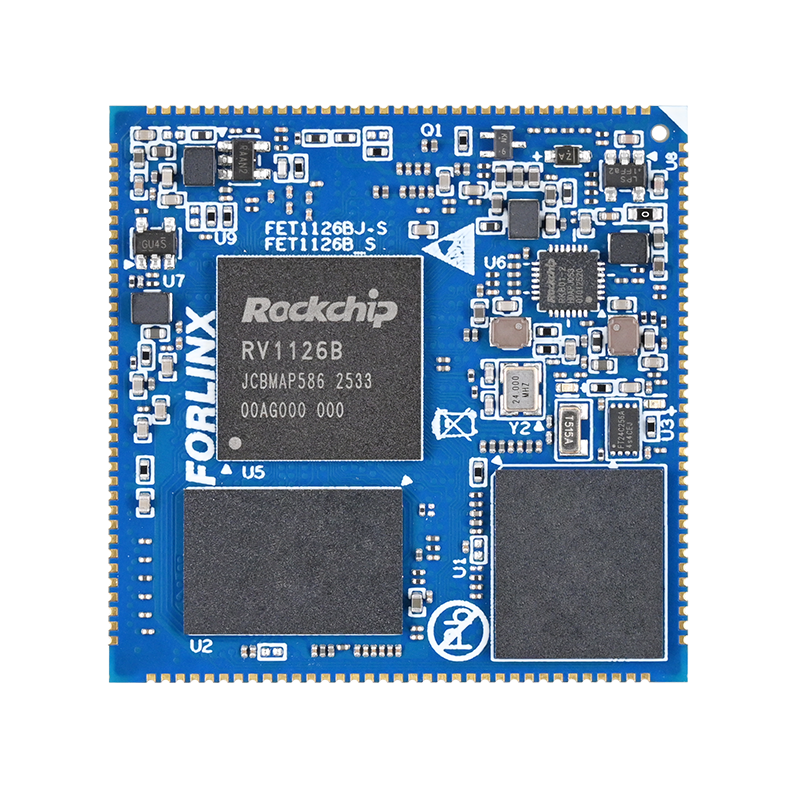
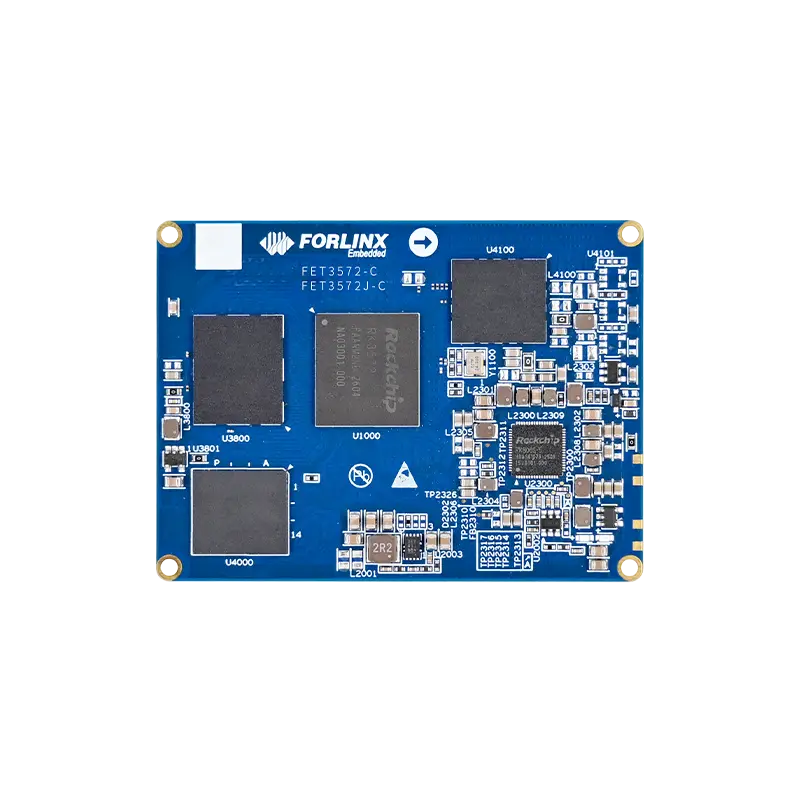
SoM is short for system on module. It’s an electronic circuit and integrates all required system functions into a module, including processor, storage (eMMC or Flash), memory (DDR) and I/O controller. However, unlike SoC that combines many of these functions onto a single chip, SoM typically requires only power to operate. In short, a SoM packages core computing capabilities into a compact, ready-to-use module. Most SoMs integrate the CPU, memory, storage, and board-to-board (B2B) connectors/edge contacts. It’s connected to a matching carrier board through pins to implement a system-on-a-chip in a certain field.
What is a System-on-Chip (SoC)?
SoC is short for system on chip, which is an integrated circuit (also known as a "chip") that integrates all or most components of a computer or other electronic system. These components typically (but not always) include a central processing unit (CPU), memory, input/output interfaces, and secondary storage interfaces-- all on a single substrate or microchip, size of a coin. It may contain digital, analog, mixed-signal, and often RF signal processing functions, depending on the applications. As integrated on a single substrate, SoC consumes significantly less power and occupies much less area than an equivalent multi-chip design. It can perform a variety of functions, including signal processing, wireless communications, artificial intelligence. SOC is commonly used in embedded systems and IoT.
Why Choose a System-on-Module for Your Project?
SoMs are easy-to-use embedded electronic hardware that can be integrated with substrates. When choosing a SoM, you should consider several factors, like specification, scalability, and flexibility, which are fundamental factors of any SoM that can impact your application. SoMs significantly reduce time-to-market and minimize costs, and make development much easier for engineers. With a SoM, all you need is a carrier board that fits your application to come into use.
SoMs offer significant advantages for hardware engineers and product manufacturers:
- Mitigate Design Complexity: Bypass intricate high-speed PCB routing and memory integration.
- Simplify Manufacturing: Reduce your BOM complexity and guarantee higher production yield rates.
- Accelerate TTM: Enable parallel hardware and software development to launch products months faster.
- Leverage Proven BSPs: Skip low-level driver debugging with our pre-compiled Linux and Android images.
- Out-of-the-Box Connectivity: Rely on pre-validated industrial protocols and interfaces for seamless integration.
SoM vs. SoC: What is the Difference?
| Feature | System-on-Chip (SoC) | System-on-Module (SoM) |
|---|---|---|
| Form Factor | Single Silicon Chip | Complete PCB Module |
| Design Complexity | Extremely High (requires complex PCB routing) | Low to Medium (only carrier board design needed) |
| Time-to-Market | Longer (12-18 months) | Faster (3-6 months) |
| Development Cost | High upfront engineering costs | Lower upfront costs; highly cost-effective for low-to-mid volume |
| Best For | High-volume consumer electronics, ultra-custom designs | Industrial controllers, medical devices, Edge AI, rapid prototyping |
Accelerate Your Innovation with Forlinx
Forlinx Embedded SoMs come fully equipped with ready-to-use operating systems, robust frameworks, and comprehensive software integration. All high-speed complexity is encapsulated within the module, ensuring your carrier board development is seamless and efficient.
Check out our complete portfolio of System-on-Modules and Single Board Computers. Contact our engineering team today for product manuals, reference designs, and technical support.