
Forlinx i.MX9596 and ARA240: Two-Stage Multimodal Vision Analysis at electronica 2026
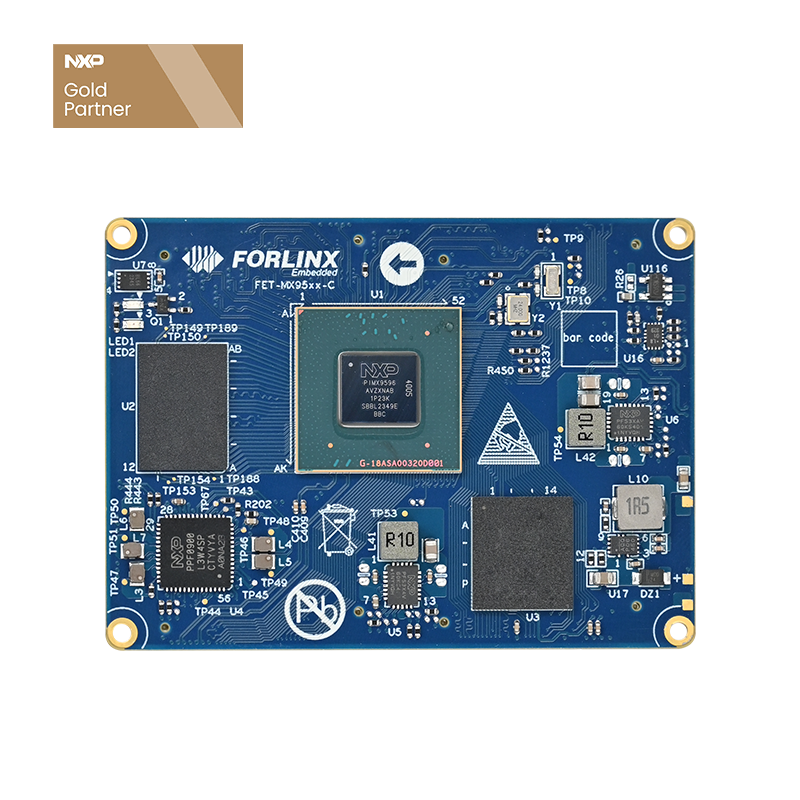
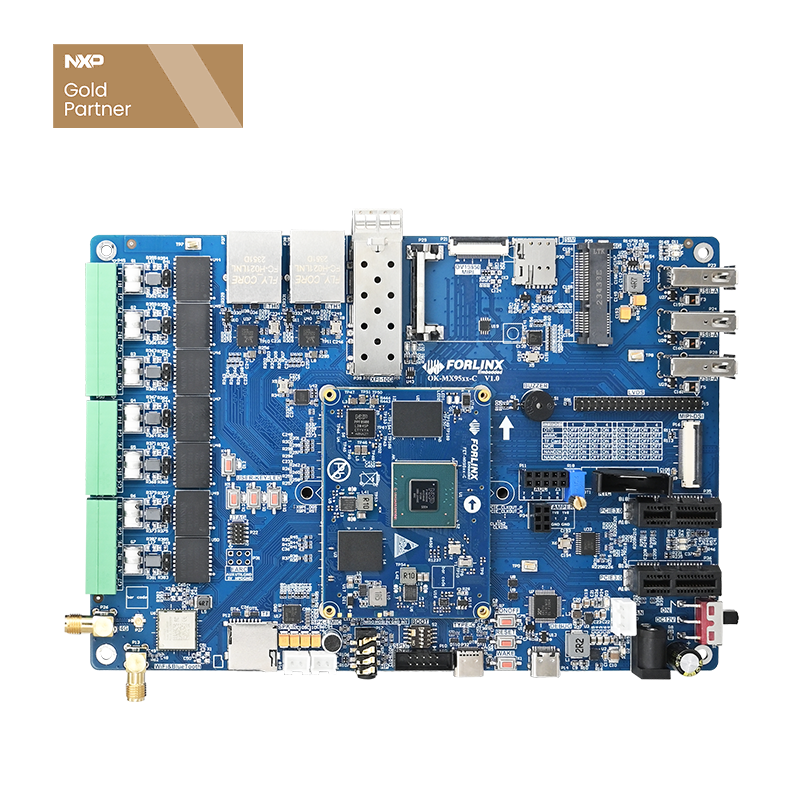
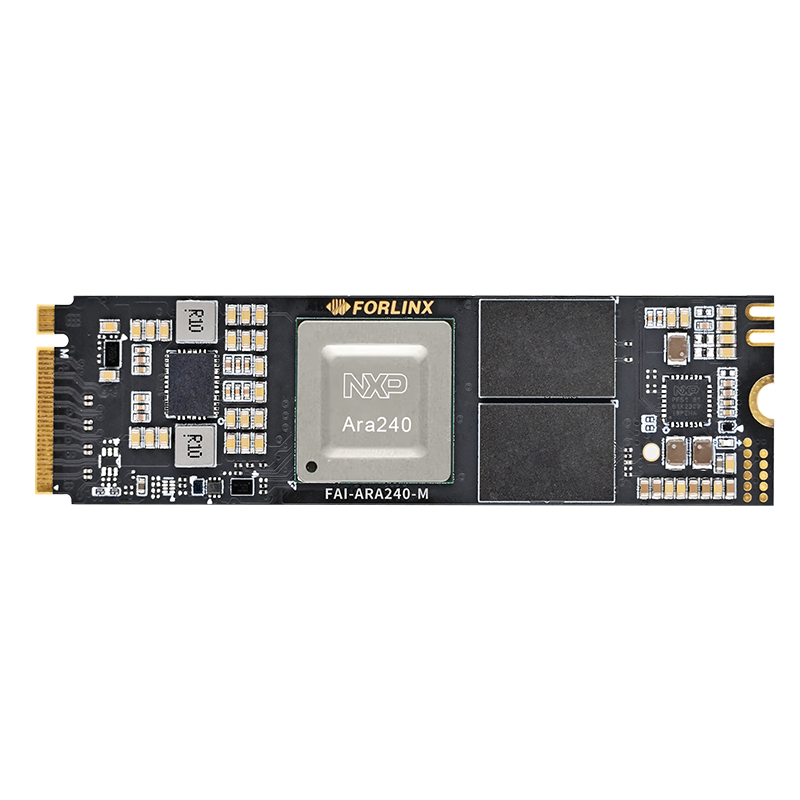
The Forlinx reference design runs YOLOv8 person detection on an NXP i.MX9596 and analyzes selected frames with Qwen2.5-VL on an ARA240 AI accelerator. Both stages run locally and use video from a single camera.
A person detector can locate someone in a camera frame. An operator reviewing that frame may also need to know what the person is wearing or whether they appear to be using a phone. The Forlinx design splits those tasks into two stages so the vision-language model processes selected frames. Forlinx demonstrated the pipeline at electronica 2026 in Munich.
How the two-stage pipeline works
- Detect people. A single camera supplies video to the NXP i.MX9596 platform. YOLOv8 locates people in the camera frames.
- Analyze selected frames. The system sends selected frames to the Forlinx ARA240 AI accelerator over PCIe. Qwen2.5-VL analyzes visible clothing and actions, such as drinking or using a phone. The demo returns a structured result.
Frame selection and local processing
Frame selection controls how often the second stage runs and how quickly its output can reflect a change in the scene. A prototype could submit a frame when a person first appears, then submit additional frames at a defined interval. Measure how that interval affects accelerator workload and the time to update the result.
Both inference stages run on the device, so the pipeline can operate without a cloud inference connection. The application determines which frames and results are stored or transmitted.
Validate the pipeline with representative footage
Potential applications include local video review, facility monitoring, and review of visible personal protective equipment (PPE). For example, a terminal could display a selected frame next to a model-generated description of whether a helmet is visible. Include the capture timestamp so an operator can identify the frame behind the result.
- Person detection. Record missed detections at the expected camera angles, distances, and lighting levels. Include partial occlusion.
- Frame selection. Check whether the selected frame shows the clothing or action clearly enough for review.
- Vision-language output. Compare the description with the source frame. Record incorrect or ambiguous outputs, including cases where a single frame provides too little context to identify an action.
- End-to-end latency. Measure the time from frame capture to the result appearing on the operator’s screen under the expected workload.
To discuss a prototype, share your camera configuration, the attributes or actions you need to review, and your response-time requirements. Forlinx can help you evaluate the i.MX95 single-board computer and ARA240 accelerator for your application.
Frequently asked questions
Which model runs on each device?
YOLOv8 runs on the i.MX9596 for person detection. Qwen2.5-VL runs on the ARA240 to analyze selected frames.
How does the ARA240 receive images?
The i.MX9596 sends selected camera frames to the ARA240 over PCIe.
Does the pipeline require a cloud inference service?
Both stages run locally. The application controls whether images or results are sent off the device.